Footwear Guides

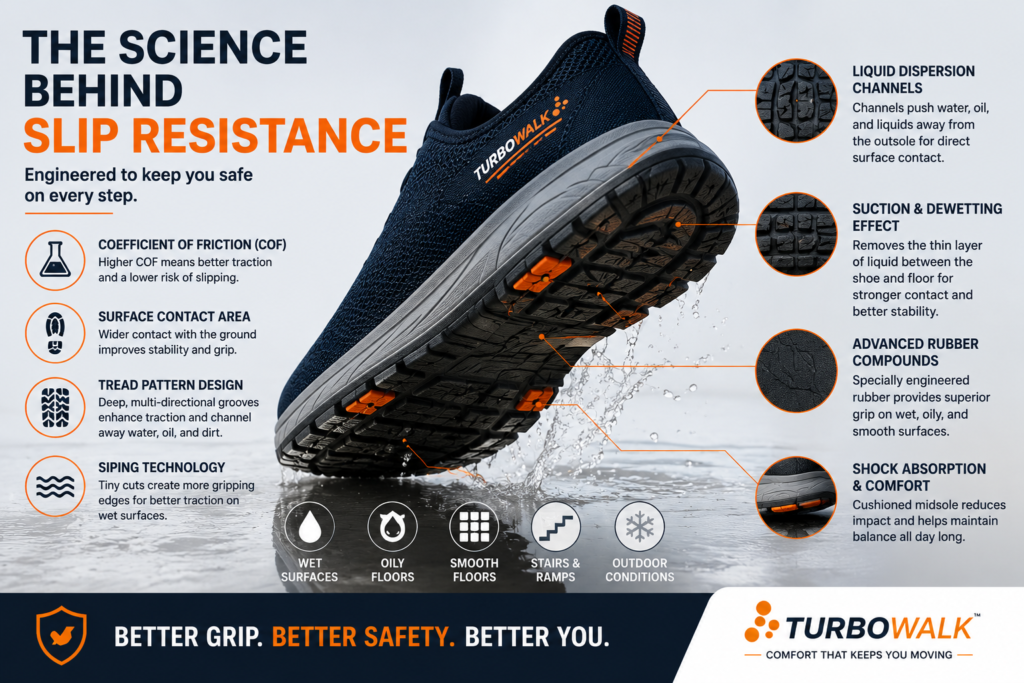
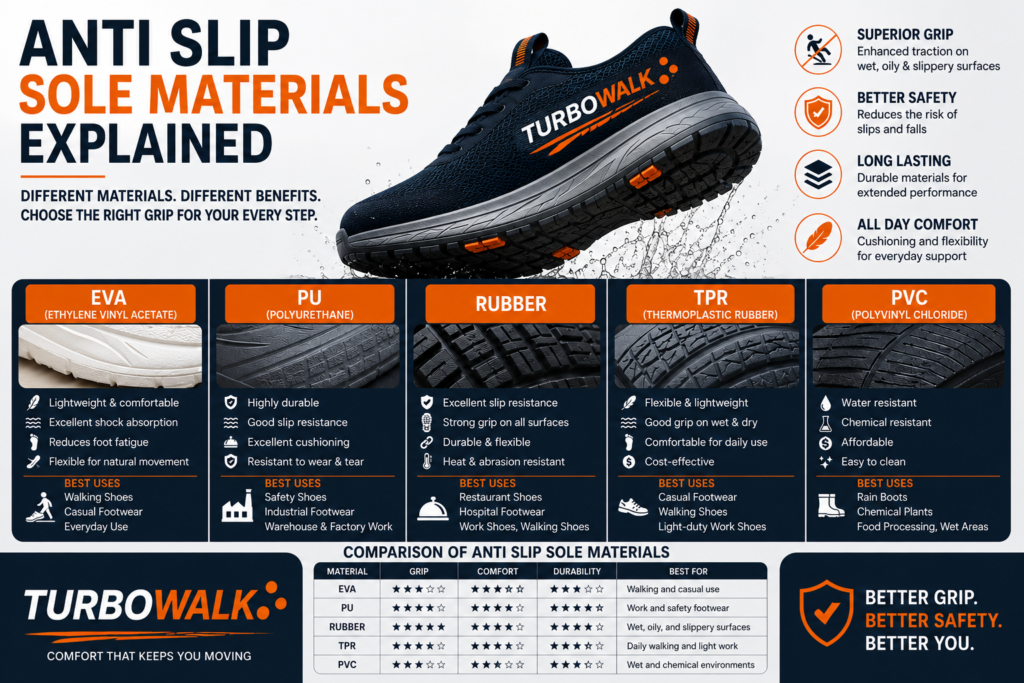
Anti Slip Sole Materials Explained

The outsole material plays a major role in the performance of anti slip footwear. Different materials offer different levels of grip, durability, flexibility, and comfort. Understanding these materials will help you choose the right anti slip footwear based on your work environment and daily activities. EVA (Ethylene Vinyl Acetate) EVA is a lightweight and flexible

Anti Slip Sole Materials Explained Read More »
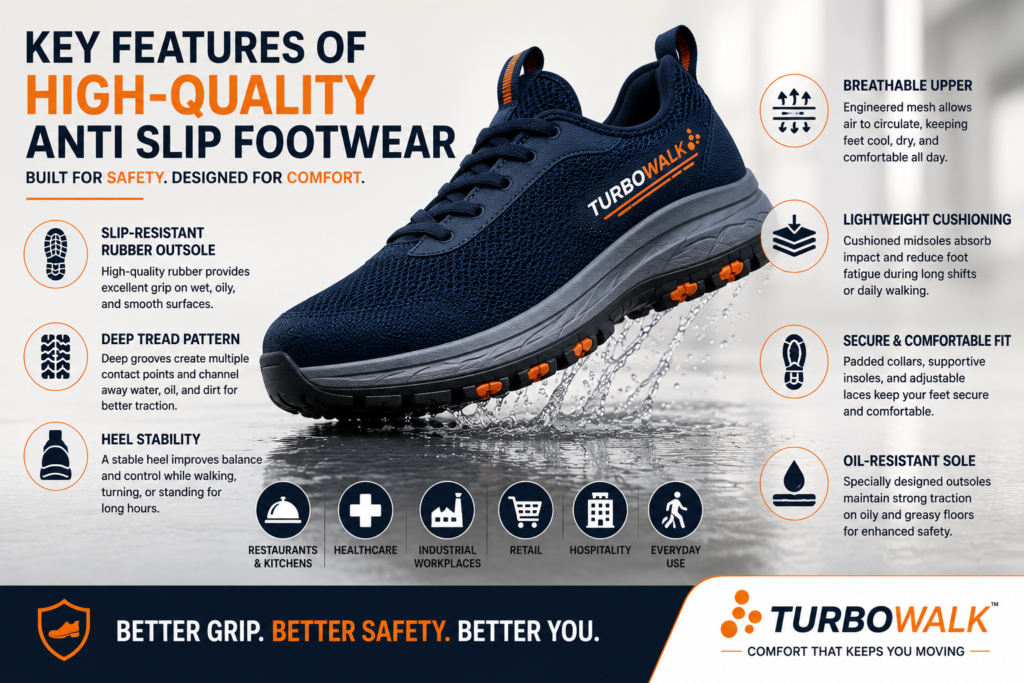
Key Features of High-Quality Anti Slip Footwear

Not all anti slip footwear offers the same level of protection. The best slip-resistant shoes combine advanced outsole technology, comfortable materials, and supportive features to provide reliable grip and all-day comfort. Here are the key features to look for when choosing high-quality anti slip footwear. Slip-Resistant Rubber Outsole The outsole is the most important part

Key Features of High-Quality Anti Slip Footwear Read More »

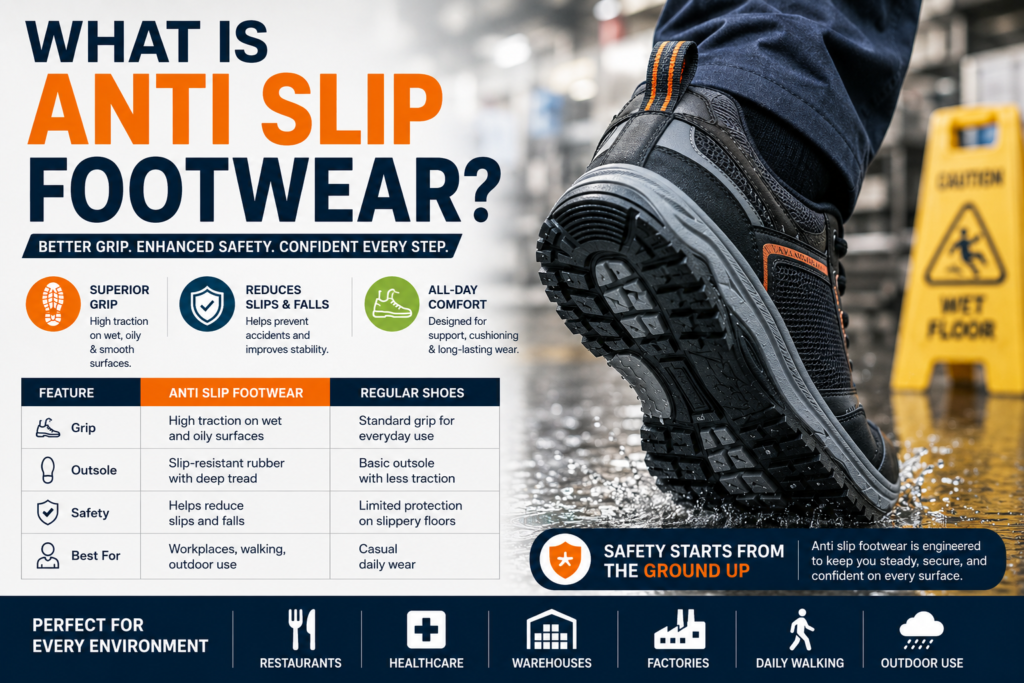
Why Anti Slip Footwear Is Important

Slips and falls are among the most common causes of injuries at work and during everyday activities. Wet floors, oily surfaces, uneven pavements, and smooth tiles can quickly become hazardous without proper footwear. Wearing anti slip footwear helps improve traction, maintain balance, and reduce the risk of accidents, making it an essential choice for both

Why Anti Slip Footwear Is Important Read More »

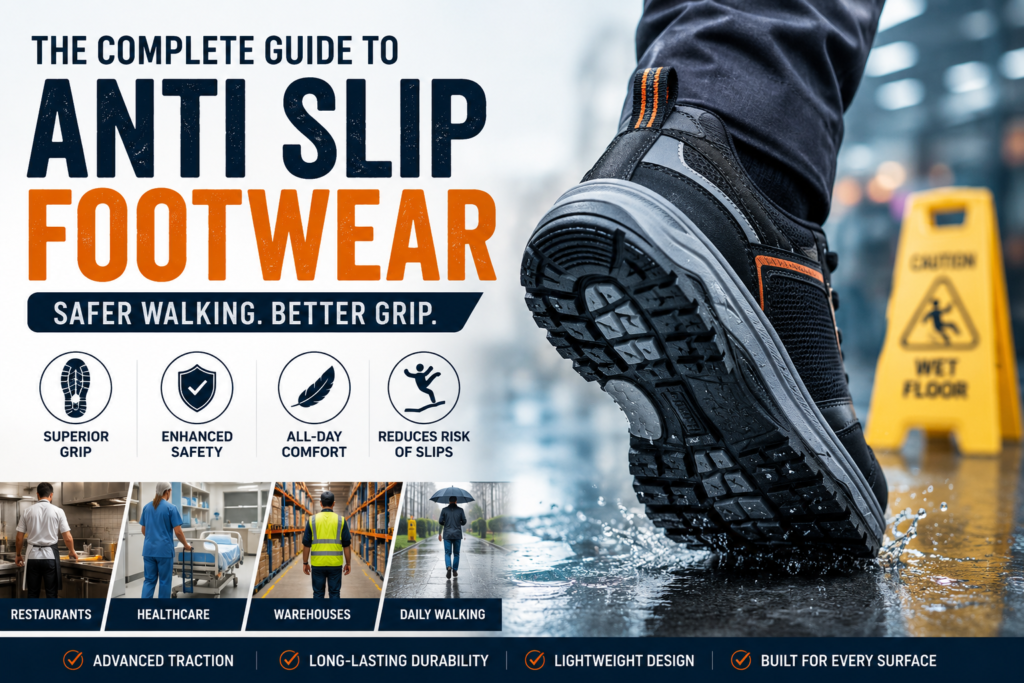
Anti Slip Footwear: The Complete Guide to Safer Walking and Better Grip

Introduction Slippery surfaces can cause unexpected falls at work or during daily activities. Anti slip footwear is designed to provide better grip, improve stability, and reduce the risk of slipping on wet, oily, or smooth floors. With specialized outsoles and durable traction patterns, anti slip shoes offer all-day comfort and reliable support for workers, walkers,

Anti Slip Footwear: The Complete Guide to Safer Walking and Better Grip Read More »

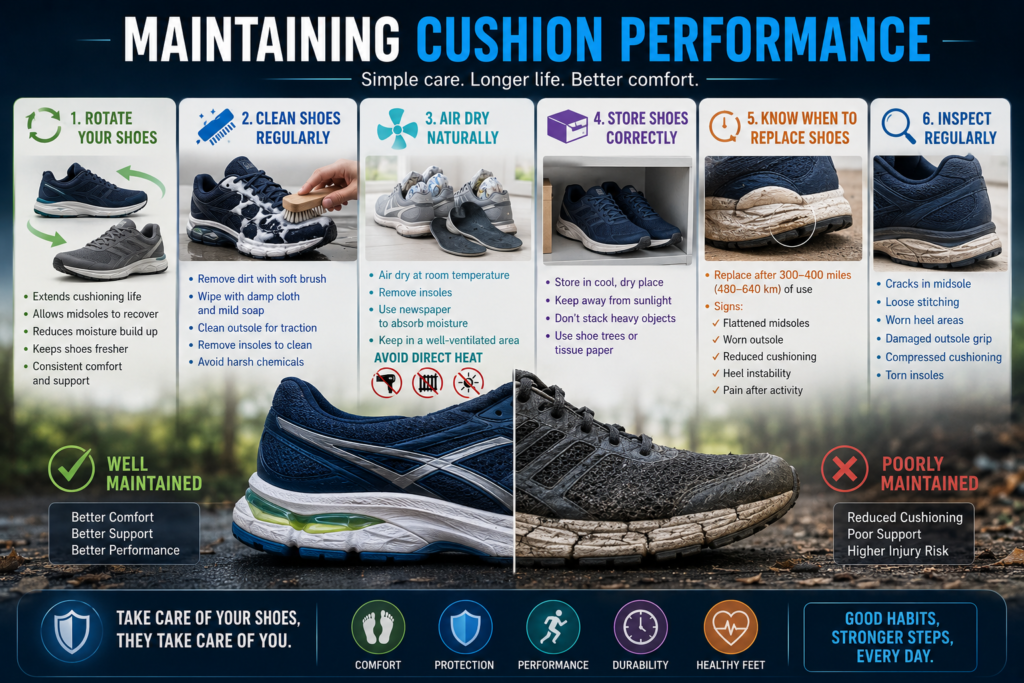
Maintaining Cushion Performance

Even the most advanced cushioning technology will gradually lose its effectiveness with regular use. Every step compresses the midsole materials, and over time, repeated impact reduces their ability to absorb shock and provide support. Proper footwear care not only extends the lifespan of your shoes but also ensures they continue to deliver the comfort, stability,

Maintaining Cushion Performance Read More »

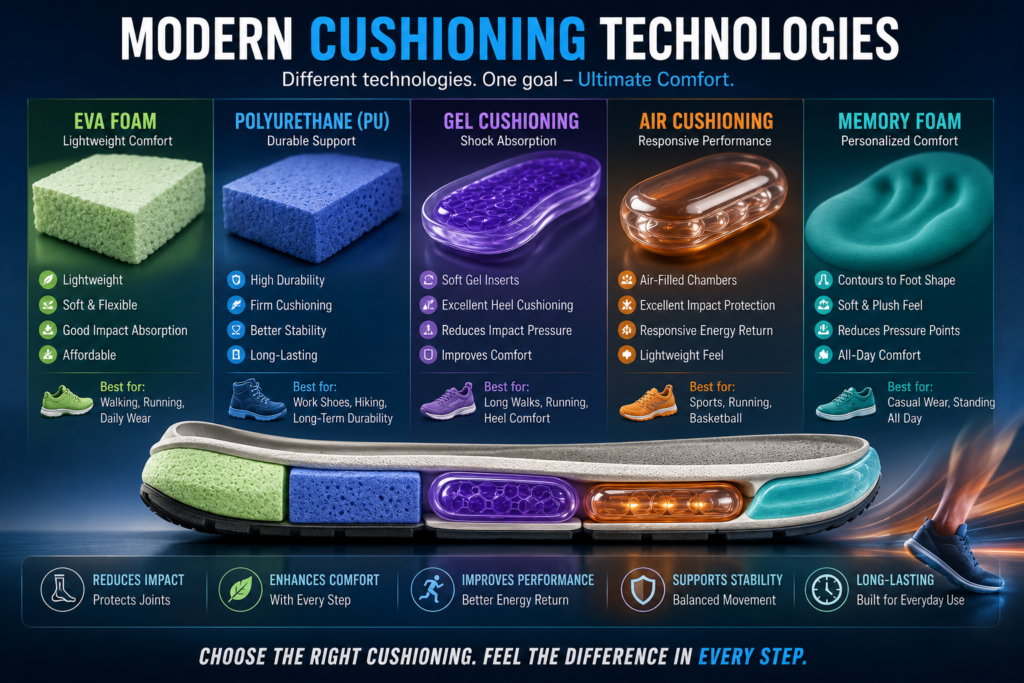
Modern Cushioning Technologies

Footwear technology has evolved significantly over the years, offering a wide range of cushioning materials designed to improve comfort, absorb impact, and enhance performance. Shoe manufacturers continuously develop innovative midsole technologies to meet the needs of runners, walkers, athletes, and everyday users. Understanding the most common cushioning technologies can help you choose footwear that matches

Modern Cushioning Technologies Read More »

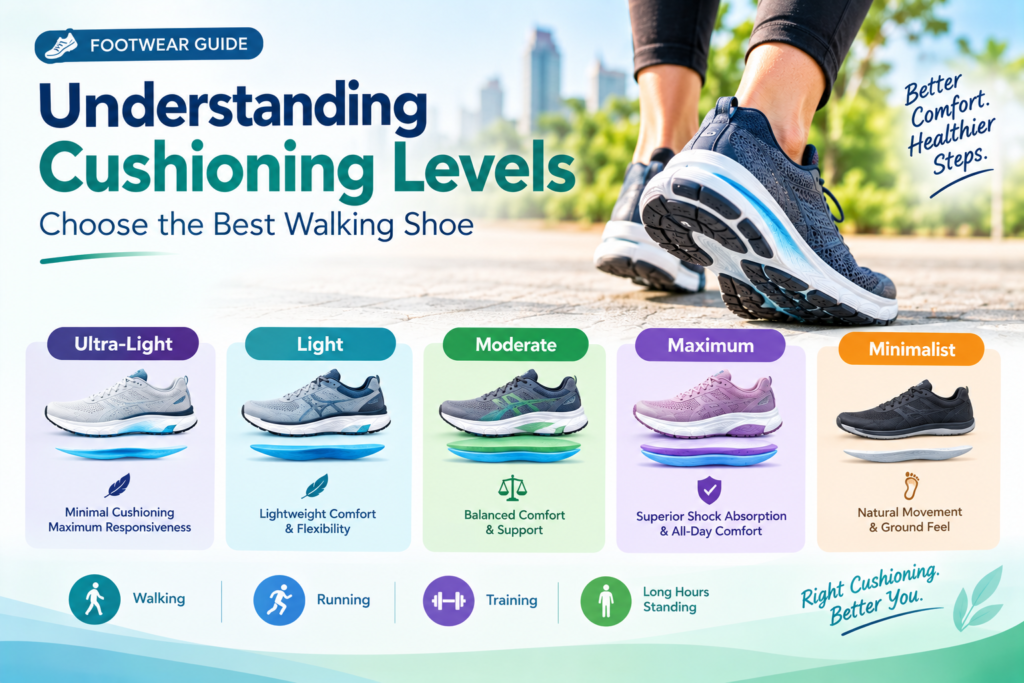
Understanding Cushioning Levels

Not all footwear provides the same level of cushioning. Different shoes are designed with different cushioning levels to suit specific activities, foot types, comfort preferences, and performance needs. Understanding these cushioning levels can help you choose footwear that provides the right combination of comfort, support, stability, and responsiveness. Whether you are searching for the best

Understanding Cushioning Levels Read More »

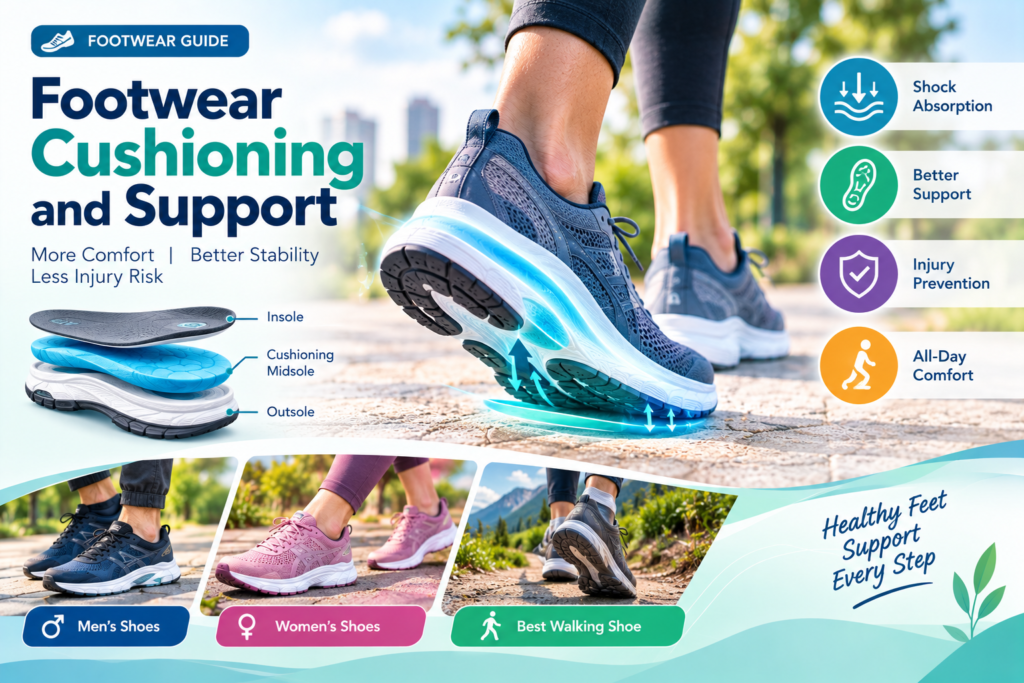
Core Benefits of Footwear Cushioning

Footwear cushioning is more than just a feature that makes shoes feel soft. The right cushioning can improve everyday comfort, help absorb impact, reduce foot fatigue, and support smoother movement. Whether you walk, run, exercise, commute, or spend long hours standing, choosing footwear with appropriate cushioning can make a significant difference to your overall experience.

Core Benefits of Footwear Cushioning Read More »