The right formal shoes for occasions can make a major difference to your overall appearance. Whether you are attending an office meeting, job interview, wedding, business event, or formal dinner, the right footwear helps complete your outfit and creates a polished impression.
Formal footwear is available in many designs, materials, colors, and levels of comfort. Men can choose from Oxfords, Derby shoes, loafers, monk straps, and formal boots, while women can explore pumps, block heels, loafers, ballet flats, pointed-toe shoes, and low heels.
The best choice depends on the occasion, dress code, outfit, comfort requirements, and how long you expect to wear the shoes.
Why Choosing Formal Shoes for the Occasion Matters
Not every formal shoe is suitable for every event. A pair that looks perfect in a corporate office may not be the best option for a wedding or formal evening celebration.
For example, classic black Oxfords are excellent for business meetings and traditional formal events. On the other hand, loafers may be better for business-casual occasions, while elegant heels can complement a formal dress.
Choosing footwear according to the occasion helps create a balanced appearance. It also allows you to prioritize practical features such as comfort, stability, and walking support when necessary.
Formal Shoes for Office Wear
The workplace is one of the most common occasions for wearing formal footwear. Office shoes should look professional while remaining comfortable enough for several hours of wear.
For Men
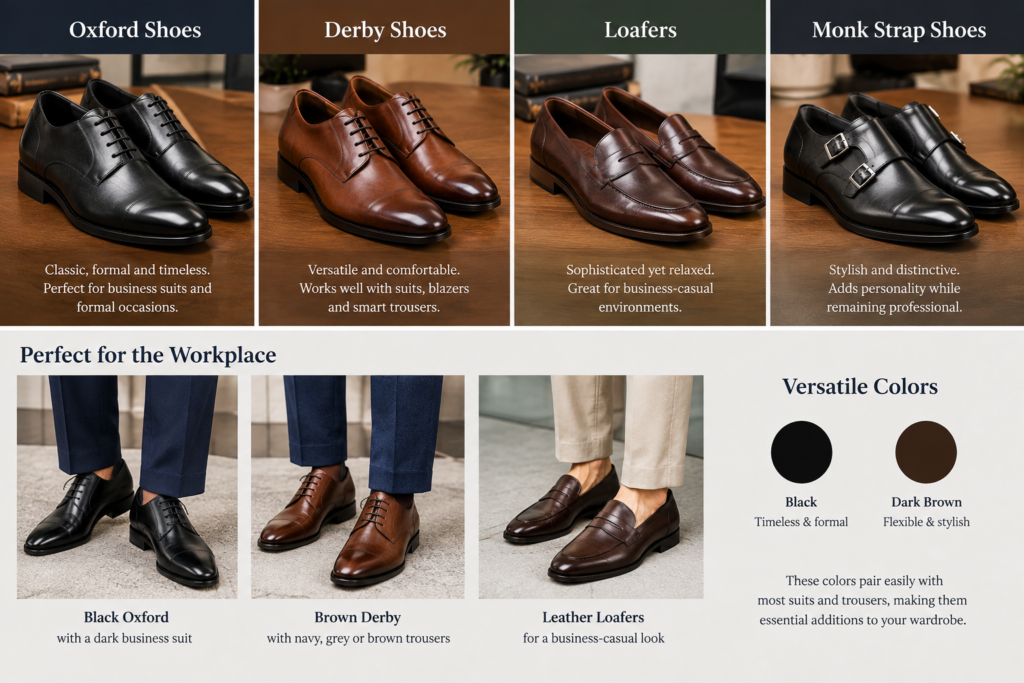
Classic Oxfords, Derby shoes, loafers, and monk strap shoes are popular choices. Black and dark brown are particularly versatile colors.
A black Oxford can be paired with a dark business suit, while brown Derby shoes can work with navy, grey, or brown trousers.
If your workplace has a business-casual dress code, leather loafers can provide a sophisticated yet relaxed appearance.
For Women
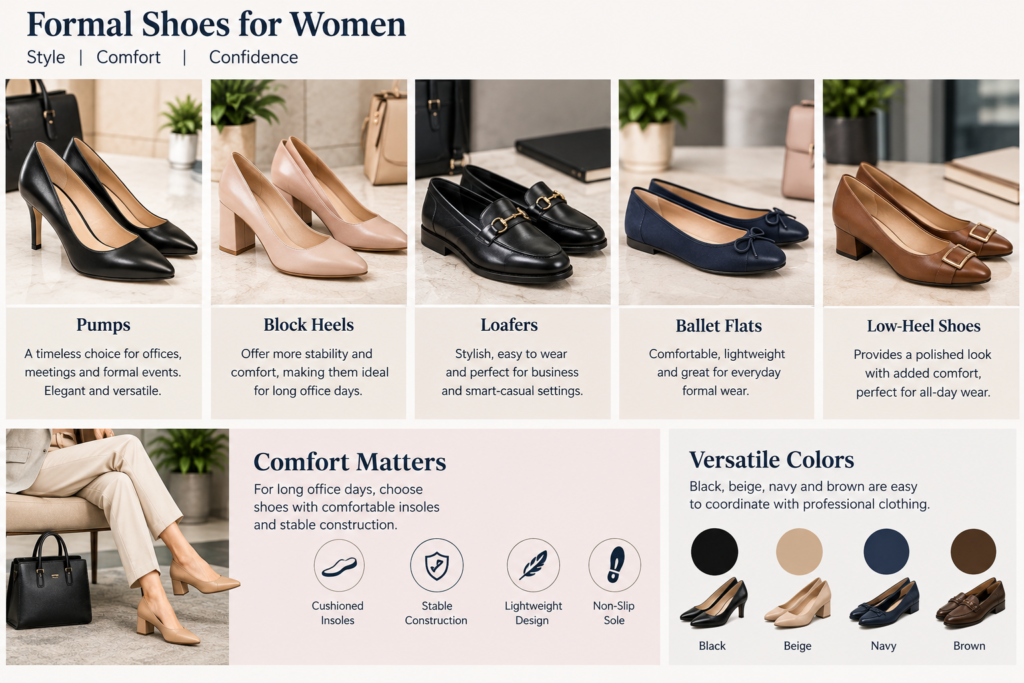
A formal shoe for women can include pumps, block heels, loafers, ballet flats, and low-heel shoes. For long office days, choose shoes with comfortable insoles and stable construction.
Black, beige, navy, and brown are easy to coordinate with professional clothing.
Formal Shoes for Job Interviews
First impressions are particularly important during a job interview. Your footwear should look clean, polished, and appropriate for the professional environment.
Best Choices for Men
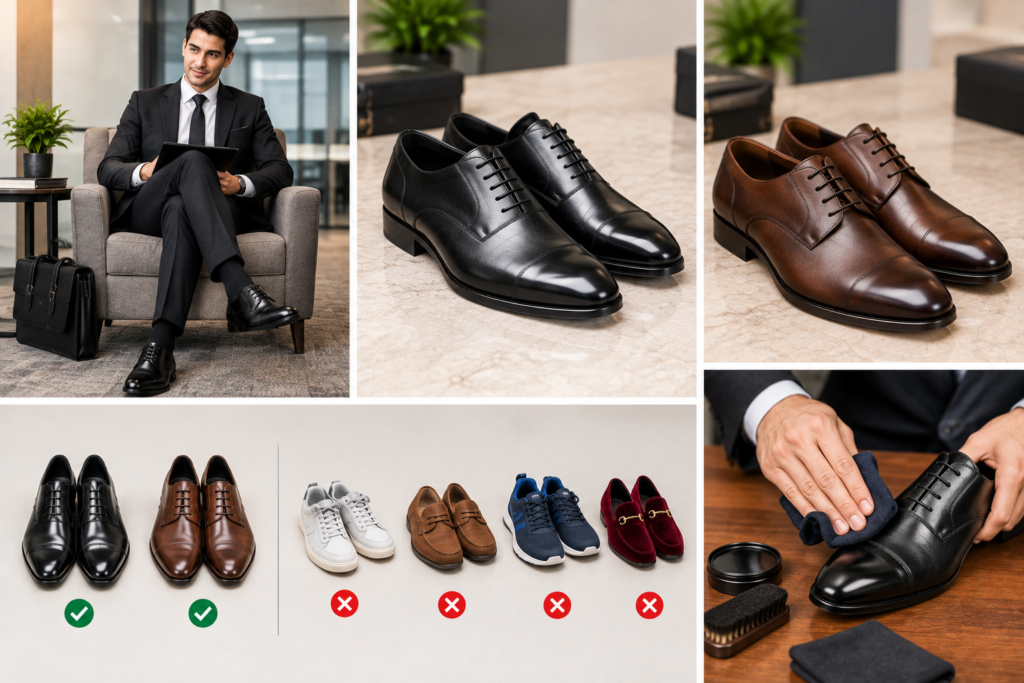
Black Oxford shoes are a safe option for traditional corporate interviews. Derby shoes can also work well, particularly when you want a slightly more relaxed fit.
Make sure the shoes are clean and polished before the interview. Avoid excessively casual footwear, bright colors, or heavily decorated designs.
Best Choices for Women
Women can choose classic pumps, low heels, pointed-toe flats, or elegant loafers. A neutral-colored formal shoe for women can create a professional appearance without drawing too much attention away from the overall outfit.
Comfort is also important because interviews may involve waiting, walking, or standing.

Formal Shoes for Weddings
Weddings often allow more flexibility than traditional business settings. Your shoes can complement your outfit while adding a touch of personal style.
Men’s Wedding Shoes
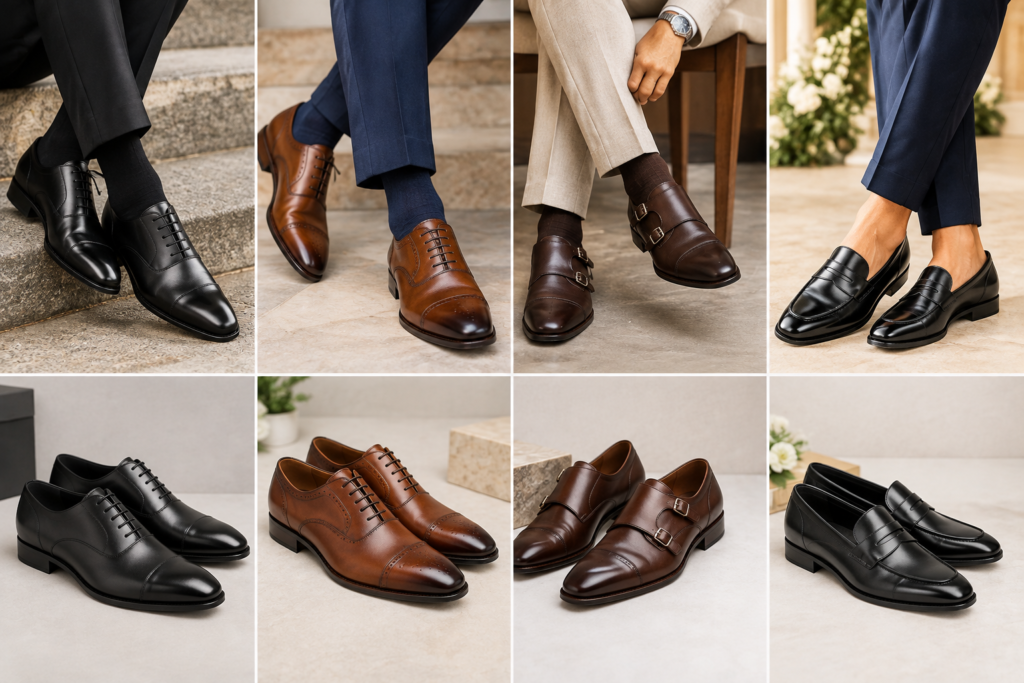
Black Oxfords are ideal for formal suits and evening weddings. Brown leather shoes can work particularly well with navy, grey, beige, and lighter suits.
Monk strap shoes are another stylish option for men who want something more distinctive. Polished loafers can also be suitable for less traditional or semi-formal wedding settings.
Women’s Wedding Shoes
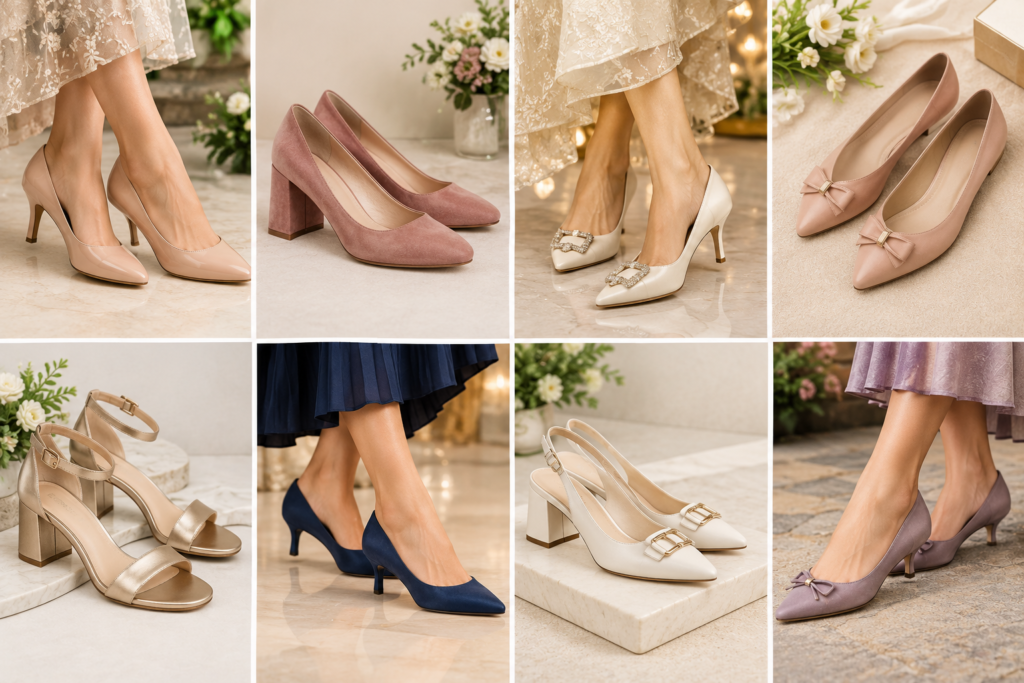
Women can choose pumps, block heels, pointed-toe shoes, dressy flats, or elegant low heels. The shoe color can either coordinate with the outfit or provide a subtle contrast.
For weddings that involve a lot of walking or standing, a comfortable block heel or low heel may be more practical than a very high heel.
Formal Shoes for Business Meetings
Business meetings require footwear that communicates professionalism and attention to detail.
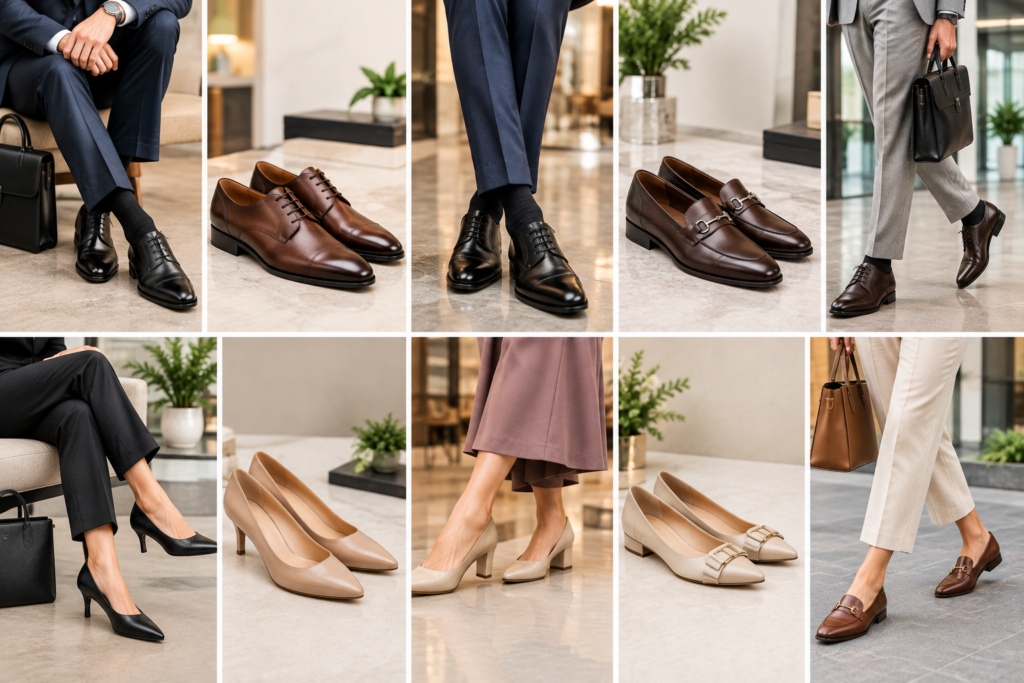
For men, black or dark brown Oxfords, Derby shoes, and refined loafers are excellent choices. For women, classic pumps, loafers, and low-heel shoes can create a sophisticated appearance.
The most important consideration is to keep the design clean and understated. Avoid footwear that appears overly casual or excessively decorative.
If you frequently attend business meetings, investing in a high-quality pair of comfortable formal shoes can make everyday dressing easier.

Formal Shoes for Corporate Events
Corporate events can have different dress codes, ranging from traditional business attire to business-casual clothing.
For formal corporate events, men can wear polished Oxfords or Derby shoes with tailored suits. Women can choose pumps, pointed-toe shoes, or elegant low heels.
For business-casual corporate gatherings, loafers can provide a modern alternative.
The safest approach is to consider the event invitation and venue before selecting your footwear. A conservative style is generally better when you are unsure about the dress code.
Formal Shoes for Parties and Evening Events
Formal evening events can allow more freedom in footwear selection. However, your shoes should still complement the level of formality of your outfit.
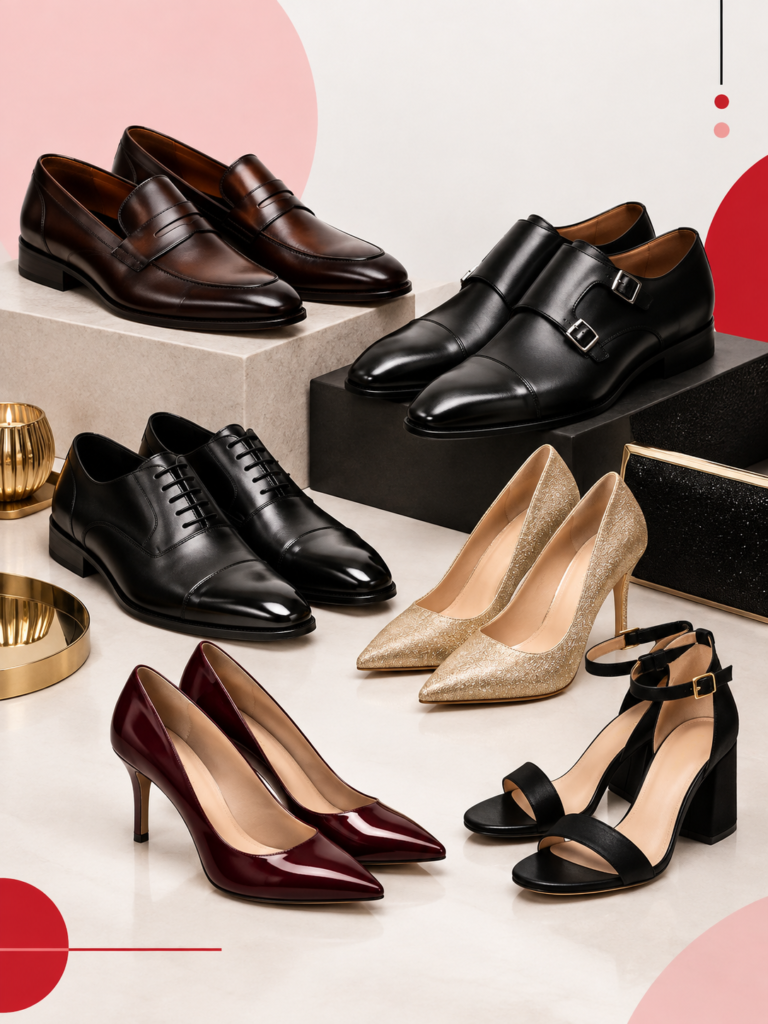
Men can consider polished loafers, monk straps, or sleek formal shoes. Women can choose elegant pumps, pointed-toe heels, block heels, or refined dress shoes.
Metallic details, subtle textures, or deeper colors can work for evening occasions, provided they complement the rest of the outfit.
Formal Shoes for Traditional Occasions
Formal footwear can also be styled with traditional clothing.
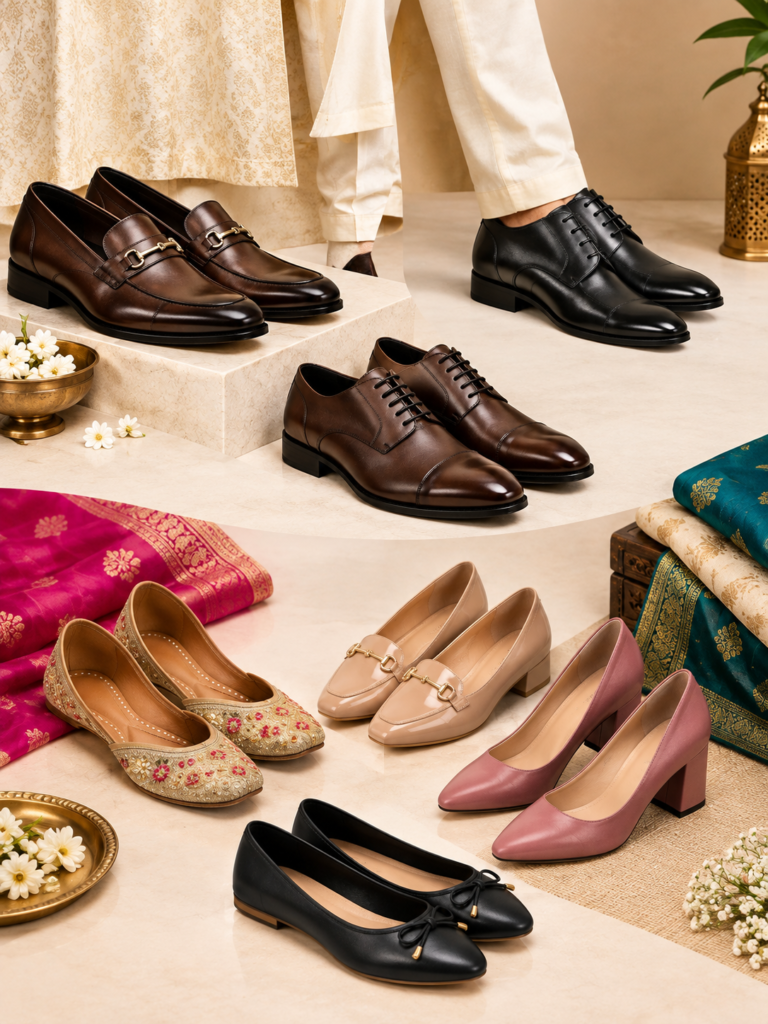
Men can pair elegant loafers or refined Derby shoes with tailored traditional outfits. Dark brown and black shoes are particularly versatile.
Women can wear formal flats, loafers, low heels, or simple pumps with formal kurtas, trousers, sarees, and other traditional outfits.
When wearing traditional clothing, consider the color and overall design of the outfit. The footwear should enhance the look rather than compete with it.
Formal Shoes for Travel and Long Days
Some occasions require a significant amount of walking. Conferences, business trips, exhibitions, weddings, and large events may involve spending many hours on your feet.
In these situations, comfort should be a major consideration.
Although a best walking shoe is specifically designed for extended walking and support, some formal shoes are designed with cushioned insoles, flexible soles, and supportive construction.
When selecting formal footwear for a long day, look for:
- Comfortable cushioning
- Adequate arch and heel support
- A secure fit
- Flexible construction
- Good grip
- Breathable materials
- Lightweight construction
Never sacrifice basic comfort simply because a shoe looks formal.
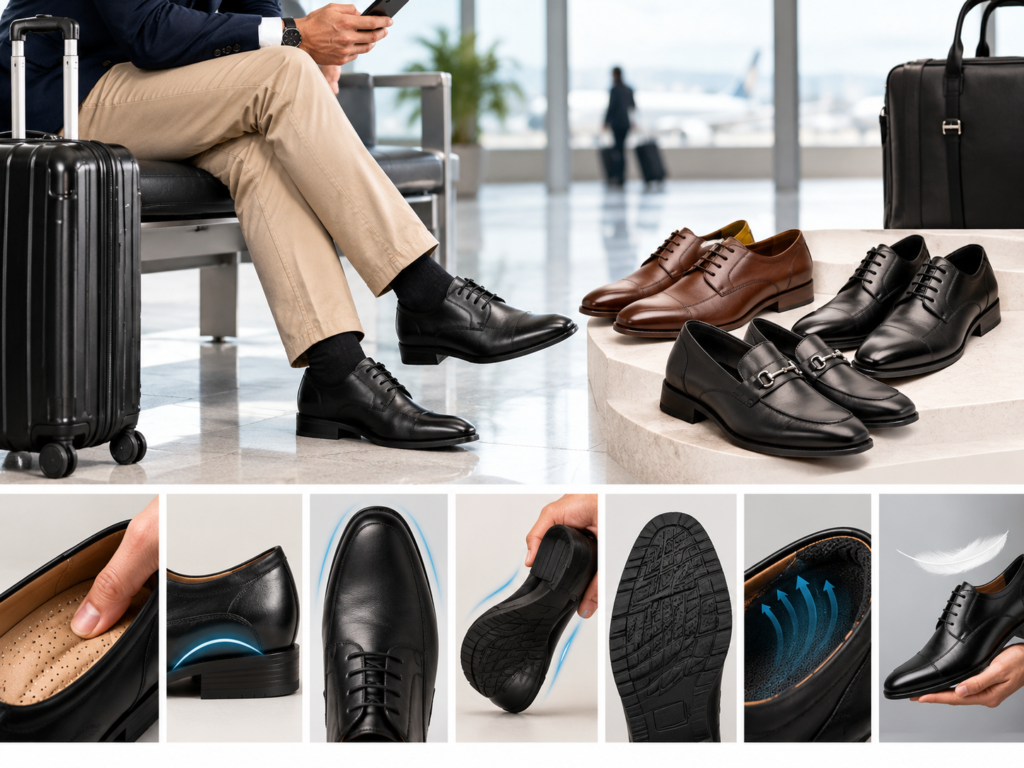
Formal Shoes for Men and Women
Formal shoes for men include Oxfords, Derby shoes, loafers, monk straps, and sleek boots, while women can choose pumps, block heels, loafers, flats, and low heels. The ideal mens shoe or women shoe should match the occasion, outfit, dress code, and comfort needs while providing a polished and professional appearance.
How to Choose the Right Formal Shoes
Consider the Dress Code
Always consider whether the occasion is formal, semi-formal, business-casual, or smart-casual. The dress code can determine whether you should choose traditional shoes or a more relaxed style.
Choose the Right Color
Black is one of the most versatile choices for formal footwear. Brown offers additional styling flexibility, especially with navy and grey clothing.
Women can also consider beige, navy, burgundy, and other neutral or sophisticated colors depending on the outfit.
Prioritize Comfort
Comfort becomes increasingly important when shoes are worn for long periods. Look for supportive insoles, appropriate cushioning, stable heels, and sufficient room around the toes.
A shoe that looks attractive but causes discomfort may not be suitable for your lifestyle.
Check the Material
Leather is popular for formal footwear because it offers a polished appearance and can be durable when properly maintained.
Synthetic leather can be a more affordable alternative, while suede provides a softer and more textured appearance. Choose the material based on the occasion, weather, maintenance requirements, and personal preference.
Focus on Quality Construction
Check the stitching, sole attachment, lining, heel construction, and overall finishing before purchasing.
Quality construction can improve durability and help the footwear maintain its appearance over time.
How to Match Formal Shoes With Your Outfit
Matching shoes with your clothing creates a more coordinated appearance.
Black suit: Black Oxfords or sleek black formal shoes.
Navy suit: Black, dark brown, or burgundy footwear depending on the occasion.
Grey suit: Black or brown formal shoes.
Formal trousers: Oxfords, Derby shoes, loafers, pumps, or low heels depending on the outfit.
Formal dress: Pumps, pointed-toe shoes, block heels, or elegant flats.
Blazer and trousers: Loafers, Derby shoes, low heels, or polished flats.
The goal is to create a visual balance between your footwear and clothing.
How to Care for Formal Shoes
Proper maintenance can help your formal footwear last longer.
Clean shoes regularly to remove dust and dirt. Leather footwear should be polished with suitable products to maintain its appearance and condition.
Allow wet shoes to dry naturally and avoid placing them directly beside strong heat. Use appropriate shoe trees for leather shoes when possible to help maintain their shape.
For suede footwear, use a suede brush and suitable cleaning products. Store all formal footwear in a cool, dry place away from excessive moisture.
Rotating between different pairs can also reduce daily wear and give each pair time to air out.
Conclusion
Choosing the right formal shoes for occasions is about finding the right balance between style, comfort, and practicality. The best footwear should complement your outfit while being appropriate for the event and comfortable enough for the amount of walking or standing involved.
Men can choose from Oxfords, Derby shoes, loafers, monk straps, and formal boots, while women have options such as pumps, block heels, flats, loafers, and low-heel shoes.
Whether you are preparing for an interview, office meeting, wedding, corporate event, or formal dinner, choosing the right formal shoe for women or men can elevate your entire appearance.
Instead of choosing footwear based only on appearance, consider fit, material, construction, occasion, and comfort. A well-selected pair of formal shoes can become a versatile and valuable part of your wardrobe.
Frequently Asked Questions
1. What are the best formal shoes for different occasions?
Oxford and Derby shoes are excellent for traditional men’s formal occasions, while loafers work well for business-casual settings. Women can choose pumps, block heels, loafers, flats, or low heels depending on the event and outfit.
2. What is the best formal shoe for men for an interview?
Black Oxford shoes are one of the safest choices for a formal job interview. Derby shoes can also be appropriate when the workplace has a slightly less traditional dress code.
3. What is the best formal shoe for women for office wear?
A comfortable pump, block heel, loafer, ballet flat, or low-heel shoe can be suitable for office wear. Choose a style that matches your workplace dress code and provides adequate comfort.
4. Can formal shoes be used for walking?
Some formal shoes are comfortable enough for everyday walking, particularly those with cushioned insoles and flexible soles. However, a dedicated best walking shoe generally provides greater support and cushioning for extended walking.
5. Are loafers considered formal shoes?
Yes. Refined leather loafers can be appropriate for many formal and business-casual occasions. However, very casual designs may not be suitable for highly formal events.
6. What color formal shoes are the most versatile?
Black is one of the most versatile choices for formal occasions. Brown is another useful option, particularly for navy, grey, and lighter-colored outfits.
7. How should formal shoes fit?
Formal shoes should feel secure without squeezing the feet. There should be enough room for natural toe movement, while the heel should remain stable when walking.
8. How can I make formal shoes more comfortable?
Choose the correct size, look for supportive cushioning, and select shoes with a comfortable interior. Breaking in quality footwear gradually can also improve comfort.
9. Can formal shoes be worn with traditional outfits?
Yes. Refined loafers, flats, low heels, Derby shoes, and other elegant styles can complement traditional outfits. Select colors and designs that coordinate with the clothing.
10. How many pairs of formal shoes should I own?
A basic wardrobe can start with two versatile pairs. Men may choose black and brown formal shoes, while women can consider a neutral pump or flat along with another style suited to their wardrobe and lifestyle.