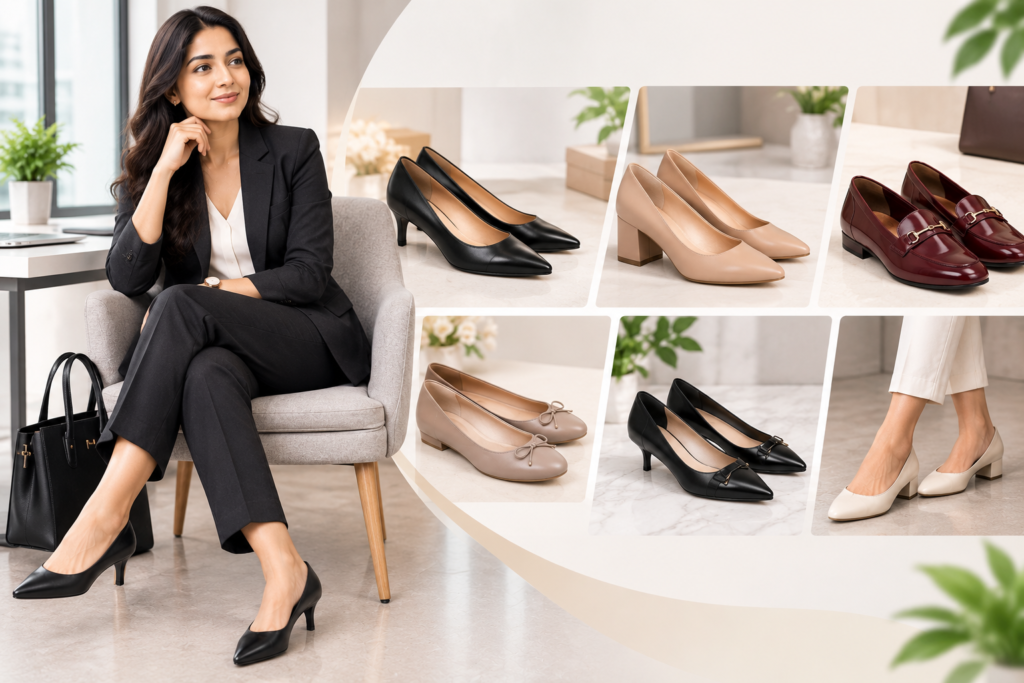
Finding the right formal shoe for women is essential for a professional and stylish appearance. From office meetings to formal events, the right women shoe should offer both elegance and comfort. If you walk or stand for long hours, choosing a formal shoe with features similar to the best walking shoe, such as cushioning and support, can make a big difference.
What Is a Formal Shoe for Women?
A formal shoe for women is footwear designed to complement professional, business, or elegant outfits. These shoes generally feature a clean and sophisticated design without excessive decoration.
Common examples include:
- Formal pumps
- Block heels
- Pointed-toe shoes
- Loafers
- Ballet flats
- Formal sandals
- Low-heeled shoes
- Classic slip-on shoes
The ideal formal shoe should balance style, comfort, and practicality. For office environments, neutral shades such as black, brown, beige, navy, and tan are particularly versatile.
Why Formal Shoes Are Important for Women
Shoes can have a significant impact on your overall appearance. Even a simple outfit can look sophisticated when paired with the right footwear.
A good women shoe for formal occasions should provide a professional appearance while allowing you to move comfortably. This is particularly important if your job involves walking between meetings, standing for long periods, or commuting.
A well-designed formal shoe can also be used with different outfits. For example, a pair of black loafers can work with trousers, formal skirts, dresses, and even some traditional outfits.
Best Types of Formal Shoes for Women
1. Classic Formal Pumps
Pumps are one of the most popular choices for professional women. Their timeless appearance makes them suitable for interviews, meetings, corporate events, and office wear.
Black pumps are especially versatile because they can be paired with almost any formal outfit. If you are new to formal footwear, a comfortable pair of low or medium-heel pumps is a good place to start.
2. Block Heel Formal Shoes
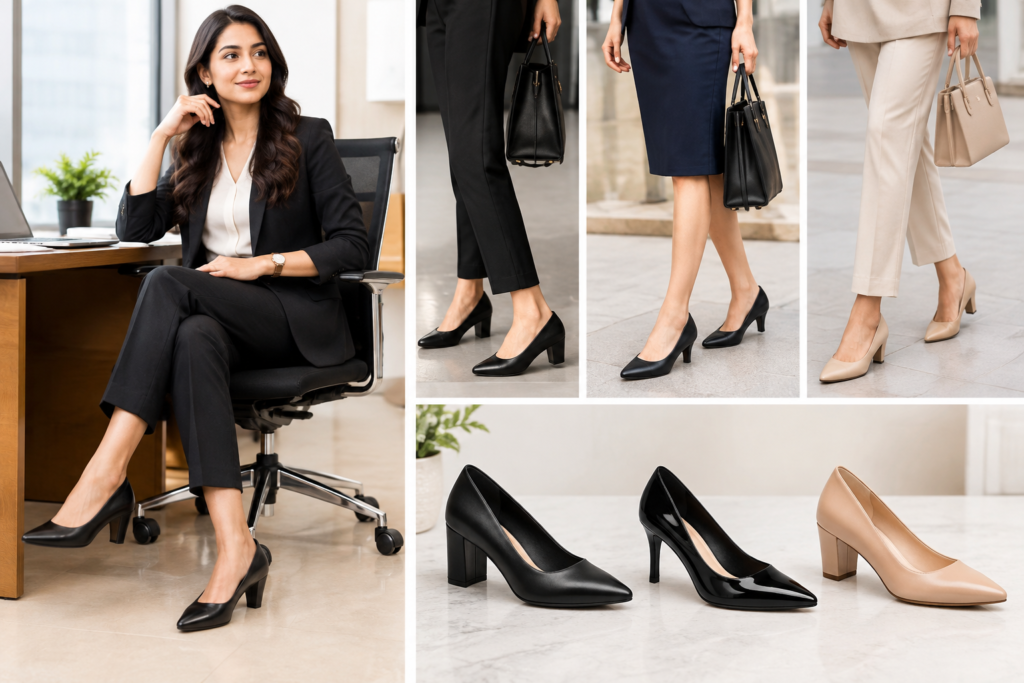
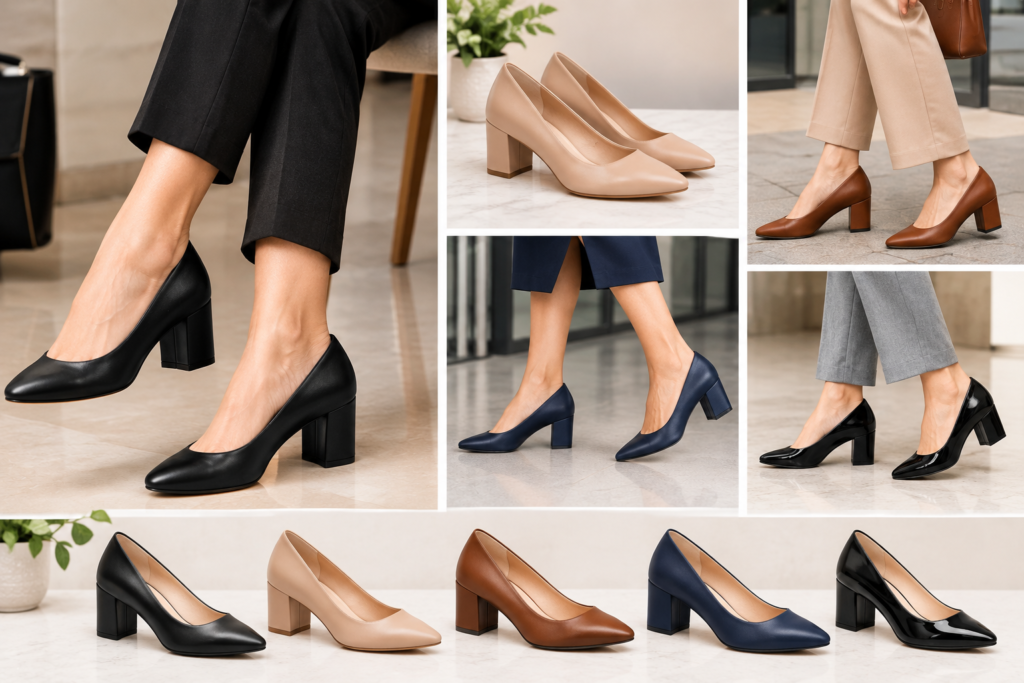
Block heels provide more stability than thin high heels. They are an excellent choice for women who want additional height without sacrificing too much comfort.
A medium block heel can be worn with formal trousers, skirts, dresses, and suits. Look for a cushioned footbed and a stable heel if you plan to wear them for several hours.
3. Formal Loafers
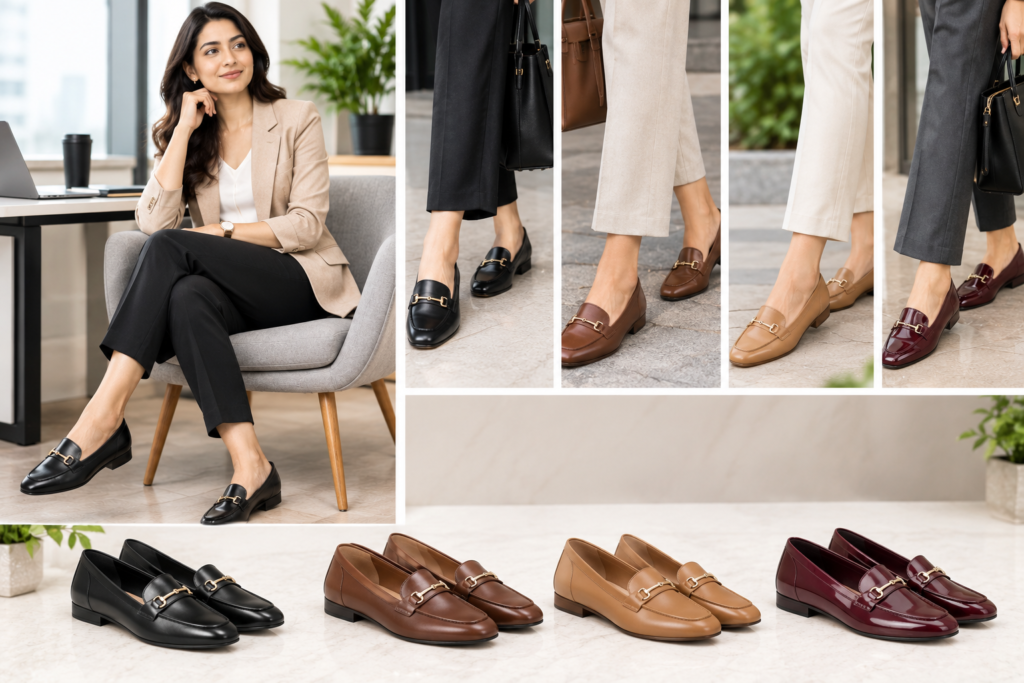
Loafers have become increasingly popular as an alternative to traditional formal heels. They offer a sophisticated appearance and are generally easier to walk in.
Black, brown, tan, and burgundy loafers can be excellent additions to a professional wardrobe. They work particularly well with tailored trousers and ankle-length pants.
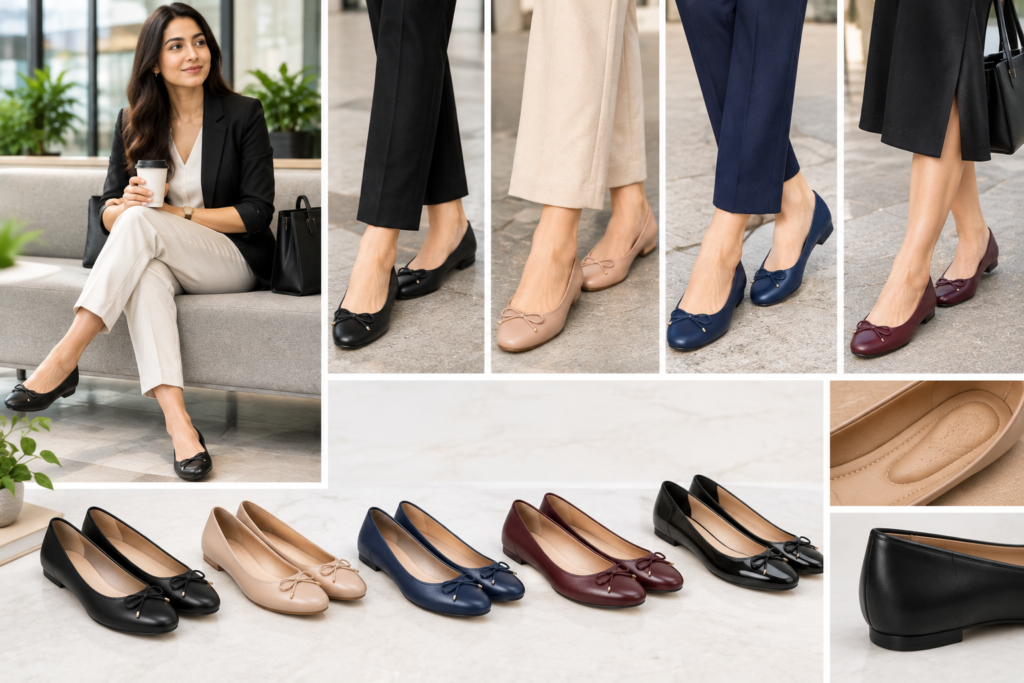
4. Ballet Flats
If you prefer flat footwear, ballet flats are a practical option. They are lightweight, feminine, and easy to style.
When shopping for a formal shoe for women, look for flats with adequate cushioning, a supportive sole, and a comfortable fit around the heel.
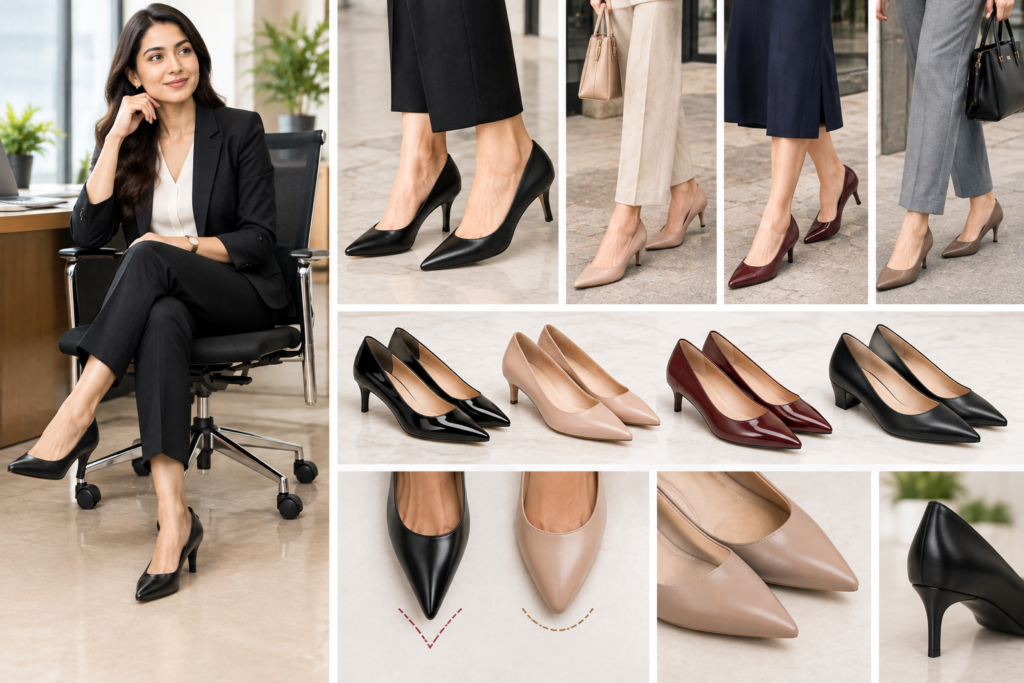
5. Pointed-Toe Shoes
Pointed-toe shoes create a sleek and elegant appearance. They are particularly popular for corporate and formal events.
If you have wider feet, avoid shoes that squeeze your toes. A slightly rounded or almond-shaped toe can provide a similar professional appearance while offering more room.
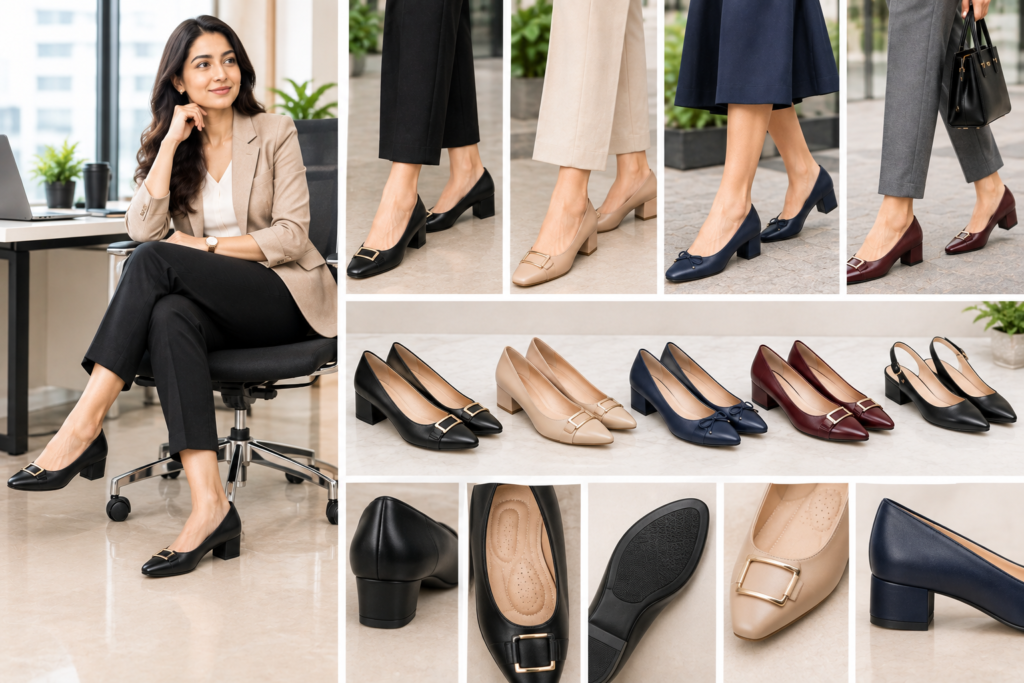
6. Low-Heel Formal Shoes
Low heels are ideal for women who want a slightly elevated appearance while prioritizing comfort. They are especially suitable for everyday office use.
A low heel combined with good cushioning and a flexible sole can be a better option than a very high heel if you spend most of your day on your feet.
How to Choose the Best Formal Shoe for Women
Choosing the perfect pair involves more than selecting an attractive design. Consider these factors before purchasing.
Comfort
Comfort should be a top priority. A beautiful shoe is not useful if it causes pain after a few minutes.
Look for:
- Soft inner lining
- Cushioned footbeds
- Flexible soles
- Adequate toe space
- Good heel support
- Breathable materials
If you regularly walk long distances, compare formal footwear with features associated with the best walking shoe, especially cushioning and support.
Correct Size and Fit
Always choose the correct size. Your feet can swell slightly during the day, so trying shoes on later in the day can help you find a more comfortable fit.
Your toes should have enough room to move naturally, while your heel should remain secure without slipping.
Heel Height
High heels may look elegant, but they are not always practical for everyday work.
For regular office use, low to medium heels are often a good balance between style and comfort. Block heels can also provide greater stability than narrow heels.
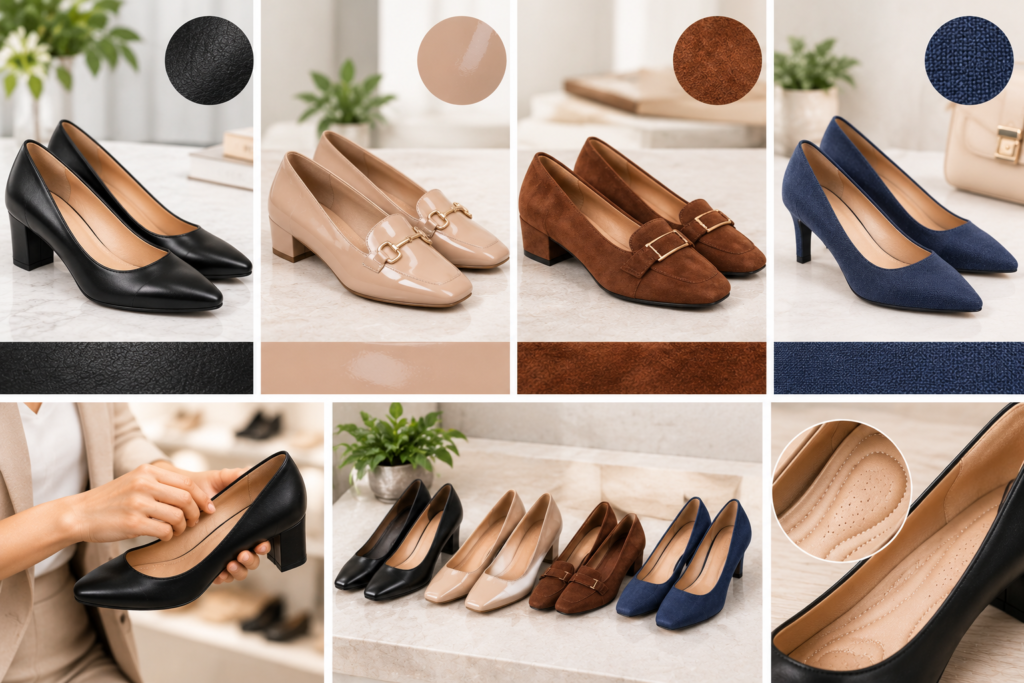
Material
Leather, synthetic leather, suede, and textile materials are commonly used for formal footwear.
Leather is known for durability and can become more comfortable with use. Synthetic options can be more affordable and are available in many styles. Whatever material you choose, look for quality construction and a comfortable interior.
Color
Neutral colors are usually the most versatile.
Black: Professional and easy to match
Brown: Excellent with beige, cream, navy, and earth tones
Tan: Suitable for lighter formal outfits
Navy: Sophisticated alternative to black
Beige: Creates a subtle, elegant appearance
If you want one pair that works with most office clothing, black is usually the safest choice.
Formal Shoe for Women vs. Best Walking Shoe
A formal shoe and the best walking shoe are designed with different priorities. Formal footwear generally emphasizes appearance and professional styling, while walking shoes focus more heavily on cushioning, flexibility, stability, and impact absorption.
However, modern formal shoes can combine both qualities. If you walk or stand for long periods at work, choose a formal style with a cushioned insole, supportive construction, flexible outsole, and comfortable fit.
You do not necessarily have to choose between looking professional and feeling comfortable.
How to Style Formal Shoes for Women
The right footwear can enhance almost any professional outfit.
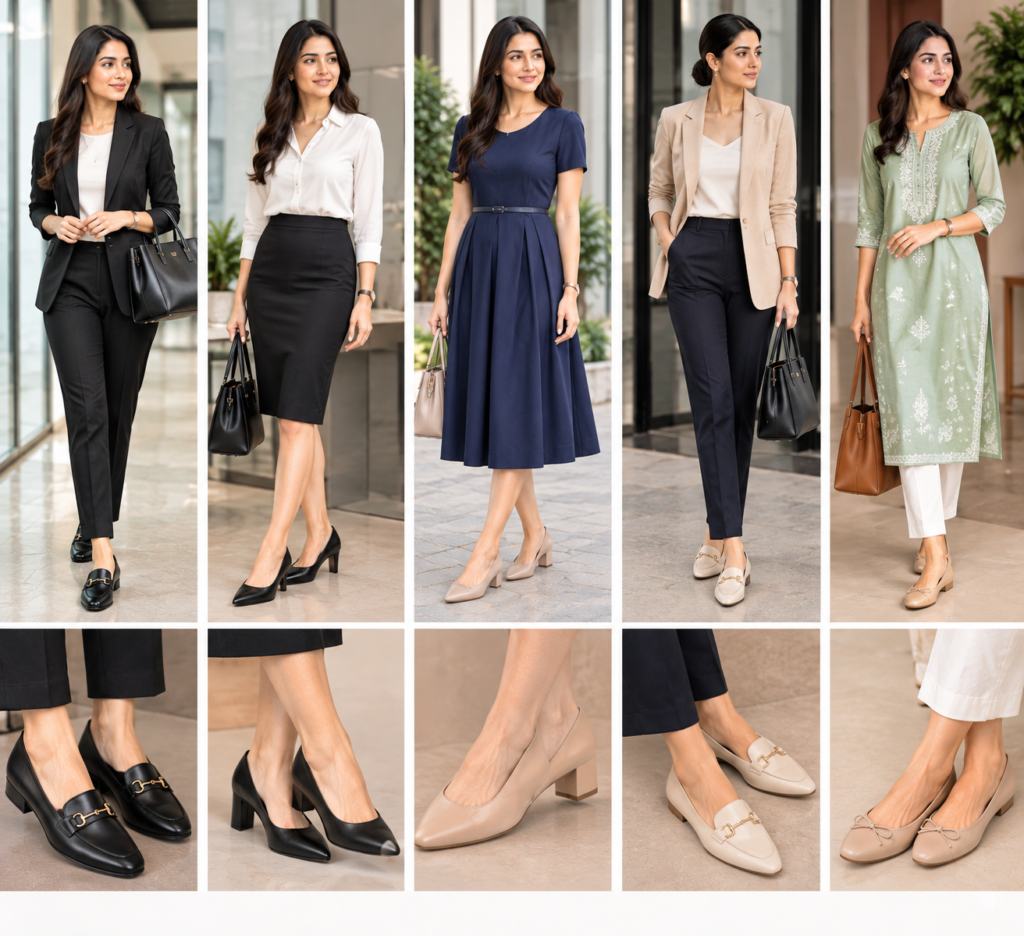
With Formal Trousers
Pair tailored black or navy trousers with loafers, pumps, or low block heels. Neutral-colored footwear creates a clean and professional appearance.
With a Formal Skirt
Pumps and low heels work particularly well with pencil skirts and A-line skirts. Choose a simple design for a polished office look.
With a Formal Dress
A classic pump or elegant low heel can complement a formal dress. Keep the color coordinated with your outfit rather than choosing overly contrasting footwear.
With a Blazer and Trousers
Loafers and pointed-toe shoes are excellent choices for a modern business look. This combination provides a professional appearance without relying on high heels.
With Traditional Outfits
Depending on the workplace, simple formal flats, loafers, or low heels can complement formal kurtas, trousers, and other traditional outfits.
How to Care for Your Formal Shoes
Proper care can significantly extend the life of your footwear.
Keep your shoes away from excessive moisture and store them in a dry, ventilated place. Clean them according to the material and use appropriate shoe-care products.
Avoid wearing the same pair every day if possible. Giving shoes time to air out can help maintain their shape and freshness.
If your shoes become uncomfortable because of worn-out insoles or heels, replacing those components may restore some of their comfort.
Short Guide to Formal Shoes for Men
Although this article focuses on women, mens shoe options also include several classic formal styles. Popular choices include Oxford shoes, Derby shoes, loafers, monk straps, and formal slip-ons. Black and dark brown are versatile choices for office wear and business occasions. Men should also consider proper sizing, leather quality, sole construction, and comfort when choosing formal footwear for work.
Conclusion
Finding the right formal shoe for women is about combining elegance, comfort, and practicality. Pumps, block heels, loafers, ballet flats, pointed-toe shoes, and low heels can all be excellent choices depending on your workplace and personal style.
For everyday office use, prioritize comfort, proper fit, supportive construction, and a versatile color. If your work involves considerable walking or standing, look for formal shoes with features similar to the best walking shoe, particularly cushioning and support.
A good pair of women shoe options should make your outfit look professional while helping you feel confident and comfortable throughout the day.
Frequently Asked Questions (FAQ)
1. What is the best formal shoe for women?
The best formal shoe for women depends on your workplace and personal preference. Classic pumps, loafers, block heels, and low-heeled shoes are popular because they combine professional styling with practicality.
2. Which color is best for formal shoes for women?
Black is one of the most versatile colors because it works with trousers, skirts, dresses, and suits. Brown, beige, tan, and navy are also excellent choices.
3. Are formal shoes comfortable for walking?
Some formal shoes are designed with comfort features such as cushioning, flexible soles, and supportive footbeds. If you walk a lot, look for formal footwear that incorporates features commonly found in the best walking shoe.
4. Are loafers suitable as a formal shoe for women?
Yes. Loafers can be an excellent formal option for women, particularly for office environments. They offer a professional appearance while generally being easier to walk in than high heels.
5. What heel height is best for office wear?
Low to medium heels are often practical for everyday office use. Block heels can provide additional stability, while very high heels may be less comfortable for prolonged standing or walking.
6. Can women wear flats with formal clothes?
Yes. Formal flats such as ballet flats and sophisticated loafers can look professional when paired with tailored trousers, skirts, dresses, and other formal clothing.
7. How should formal shoes fit?
Formal shoes should feel secure without squeezing your feet. Your toes should have sufficient room, and your heel should not slide excessively while walking.
8. What should I look for when buying a formal shoe?
Consider comfort, size, material, heel height, sole quality, cushioning, support, durability, and color. Choose a style that matches the clothes you regularly wear.
9. Are black formal shoes better than brown shoes?
Neither is universally better. Black shoes are generally more versatile for corporate outfits, while brown shoes can add warmth and work especially well with lighter colors.
10. Can formal shoes also be used as walking shoes?
Some comfortable formal shoes can handle moderate walking, but they may not provide the same cushioning and support as dedicated walking footwear. If you walk long distances regularly, prioritize supportive construction and comfort.